My Story
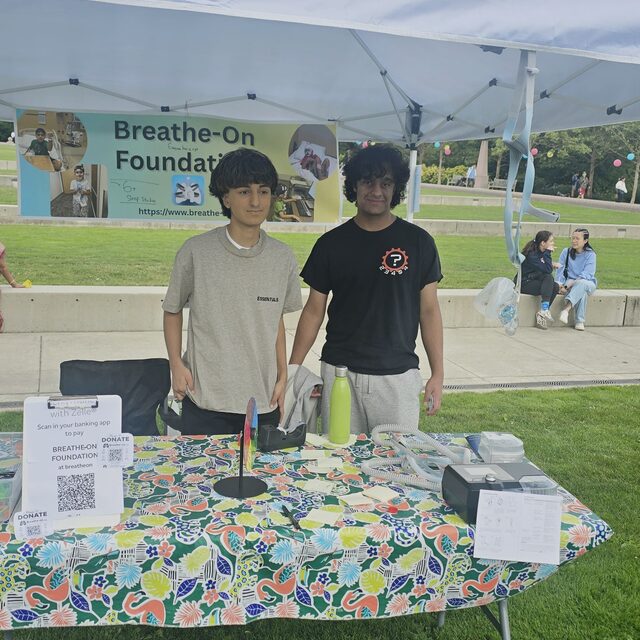
Greetings, my name is Rishi Jasuja, and I am currently a freshman in high school dedicated to promoting awareness and enacting change in the field of sleep apnea. My commitment to this cause began well before I established this nonprofit organization. It originated with over six sleep studies that I underwent from a young age, each involving uncomfortable wires, cumbersome equipment, and long, sleepless nights in clinical environments. This necessity for my health transformed into a transformative realization regarding how the systems intended to assist can often fall short. The process was not merely inconvenient; it was overwhelming and isolating, particularly for someone of my age.
Sleep Study Reforms
Throughout my challenges, I discovered that many individuals, especially young children, experience similar discomfort, anxiety, and confusion when confronting sleep apnea and its treatments. I was determined to ensure that no one would have to endure the same feelings I encountered. Inspired by this experience, I initiated this nonprofit as a platform to not only promote awareness of obstructive sleep apnea but also to advocate for improvements in the research and treatment methods associated with it. I hold the belief that everyone, particularly those who are most vulnerable, deserves a level of care and comfort that is customized to their specific needs rather than adhering solely to systemic norms.
Nasal Cannula: Redesign
In the treatment of sleep apnea, the nasal cannula is frequently utilized as an essential apparatus that ensures continuous airflow to maintain openness in the airways. Nevertheless, the comfort level attributed to these devices is often inadequate due to their design flaws. Users can attest that the nasal probes frequently cause irritation, and the accompanying plastic tubing can become unwieldy, particularly during sleep. There is a necessity to reconsider and redesign the nasal cannula with an emphasis on user comfort, simplicity in operation, and a more suitable fit for varying ages and facial anatomies. Below are several suggestions aimed at improving the design: Soft, Flexible Materials: It is crucial for the nasal probes to be constructed from softer and more adaptable materials that do not irritate the skin or induce discomfort. Implementing more breathable materials would help alleviate skin irritation or redness that can arise from extended wear. Customizable Fit: The cannula ought to accommodate a broader array of facial shapes and sizes. Many existing models lack sufficient adjustability, resulting in poor fitting or air leaks. Incorporating adjustable straps and a customizable nosepiece may contribute to a superior seal and enhanced comfort for diverse users. Wireless Functionality: Eliminating wires in sleep studies should extend to cannula usage as well. Implementing wireless airflow sensors capable of monitoring breathing patterns and appropriately adjusting airflow would significantly improve user comfort. This advancement would prevent issues related to tangling tubes during sleep and alleviate movement restrictions. Lightweight, Streamlined Design: The overall design should be more streamlined and less bulky. Current versions can often feel cumbersome or intrusive, especially for younger users. A lightweight nasal cannula would be considerably easier to wear for prolonged durations and more tolerable for younger patients who are particularly sensitive to discomfort. By refining the design of the nasal cannula and its associated probes, we stand to enhance the overall experience for all users, creating a more comfortable and manageable environment for obtaining the therapy necessary to facilitate easier breathing and improved sleep quality.